Graffity: A Street Art Handwritten Font for Authentic Design
The Raw Energy of Hand-Lettering in a Digital Typeface
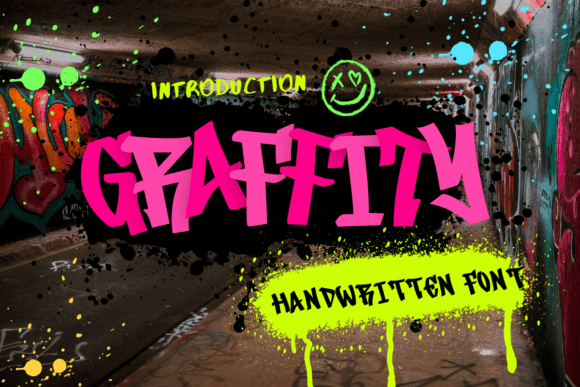
Graffity isn't your typical clean, corporate script. It captures the spontaneous, textured feel of marker or chalk on a rough surface. The strokes have a natural unevenness, with varying thickness and a slight gritty texture that gives it an authentic, hand-crafted appearance. This isn't a font that tries to be perfect; it embraces the happy accidents and raw energy of street art. The personality is bold, creative, and slightly rebellious—ideal for projects that need to convey authenticity, individuality, or a DIY spirit. It’s a creative font that feels human, not generated.
Where Graffity Truly Shines: Practical Applications
Understanding a font's strengths is key to using it effectively. Graffity's handwritten, street-art style makes it a powerful tool for specific contexts where personality and impact matter more than formal legibility.
Branding and Identity with an Edge
For brands targeting a youthful, creative, or urban demographic, Graffity can become a core part of the brand identity. It works exceptionally well for:
- Logo Design: Especially for businesses in music, skateboarding, indie crafts, streetwear, or creative agencies. It instantly communicates a non-corporate, innovative vibe.
- Packaging Design: Think artisan coffee bags, craft brewery labels, or handmade cosmetics. The font adds a layer of perceived craftsmanship and authenticity.
- Event Branding: Perfect for music festivals, art shows, or community market posters. It sets an energetic, accessible tone.
However, a critical consideration is brand perception. While it builds strong recognition with the right audience, it may not convey the stability or tradition expected by law firms or financial institutions. Always align the font's personality with the brand's core message.
Digital and Print Content That Pops
Graffity is a display font at heart, meaning it's designed for headlines and short bursts of text, not lengthy paragraphs. This makes it ideal for:
- Social Media Graphics: Create eye-catching Instagram stories, quote cards, or promotional banners. Its textured look ensures it stands out in a busy feed.
- Blog Headers and Pull Quotes: Use it to highlight key points in editorial design, adding visual interest and breaking up text monotony.
- Web Design Elements: As a button font for a call-to-action or for feature headings on a landing page, it can guide the user's eye and inject personality. Pair it carefully with a clean sans serif font for body text to maintain readability.
For print, it's excellent on stationery like notebooks or planners, greeting cards, and shirt designs. Its texture translates well to physical products, giving them a tangible, custom feel.
Personal Projects and Craft
This is where Graffity feels most at home. Its handwritten nature is perfect for:
- Digital Planning and Notes: Makes digital journaling or note-taking in apps like GoodNotes feel more personal and less sterile.
- Crafting and DIY: Use it with a cutting machine for custom vinyl decals, mug designs, or tote bag prints. The font's character adds a professional touch to homemade goods.
- Personal Greeting Cards: Design unique birthday or thank-you cards that feel genuinely handmade, not template-driven.
Evaluating Fit and Readability
The most common mistake with expressive fonts like Graffity is overuse. Treat it as a spice, not the main ingredient. Use it for headlines, subheads, or logos, and pair it with a highly legible serif font or sans serif font for body copy. Always test readability at the size it will be viewed. At small sizes or in long sentences, its textured details can become muddy, reducing clarity.
Font Pairing is Everything
A successful font pairing creates contrast and hierarchy. Graffity's rough, dynamic style pairs best with fonts that are clean, geometric, or structured. Consider:
- A Modern Sans Serif: Fonts like Montserrat, Open Sans, or Roboto provide a clean, neutral backdrop that lets Graffity's personality shine without competition.
- A Simple Serif: A classic like Lora or Merriweather can add a touch of sophistication and balance the casualness of the handwritten style.
- A Contrasting Script: For a more eclectic look, pair it with a smoother, more formal script font for a specific word or element, but use this sparingly.
Avoid pairing it with other highly decorative or textured fonts, as this creates visual chaos and undermines professionalism.
Understanding What's Included
When you acquire a premium font like Graffity, you're not just getting one file. Look for what's included: multiple weights (light, regular, bold), stylistic alternates (different versions of certain letters), and possibly a set of swashes or dingbats. These extras are design assets that provide flexibility. For instance, stylistic alternates can help you avoid repetitive letter shapes in a logo, making it look even more custom.
The Critical Issue of Licensing
This is non-negotiable for any professional or commercial use. A commercial font requires a license that permits its use in projects that generate revenue—whether it's a client logo, a product for sale, or marketing materials. Always read the license agreement. Does it cover web embedding via @font-face? Can you use it on unlimited projects? For entrepreneurs and small business owners, ensuring proper licensing protects you legally and supports the typeface designers who create these tools.
Final Thoughts on Integrating Graffity
Graffity is more than just another handwritten font; it's a specific voice. It speaks of creativity, energy, and hands-on authenticity. Its value lies not in being universally applicable, but in being the perfect fit for projects that need that distinct, urban-inspired character. Use it strategically to add punch to headlines, create memorable brand marks, or infuse personal projects with style. By respecting its strengths—pairing it wisely, testing for readability, and securing the right license—you can leverage Graffity to create designs that feel genuinely human and powerfully engaging.